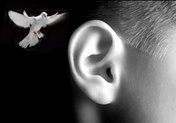
A, Post-Pentecost 24 Proper 27 - Amos 5:18-24, 1 Thessalonians 4:13 "The Day Of The LORD"
Amos 5:24 (ESV) But let justice roll down like waters, and
righteousness like an ever-flowing stream.
1 Thessalonians 4:13 (ESV) But we do not want you to be
uninformed, brothers, about those who are asleep, that you may not grieve as
others do who have no hope.
Humanity has a fear of darkness that begins in
childhood. Many of us were scared of the
dark when we were kids! Turning off the
light meant the light of our imaginations would come on, and we would imagine
bad things coming to snatch us from the darkness, into the darkness.
One of my worst dreams was of an unexplainable darkness of
chaotic nothing that would wake me crying out for mum and dad. I could not explain to them what it was I had
dreamt. How can a child explain chaotic
nothing? All I could do was seek comfort
from mum and dad having felt the fear of this unexplainable experience.
Paul says to his congregation in Thessalonica, “But we do not want you to be uninformed,
brothers, about those who are asleep, that you may not grieve as others do who
have no hope.” (1 Thessalonians 4:13 ESV)
Here Paul talks about being asleep. This sleep is the sleep
of death rather than the sleep set aside in every twenty-four-hour period that
the human body needs for rejuvenation.
But like a loving parent, Paul does not want his hearers to fear this
sleep of death, like a child who’s scared of the chaotic darkness, or the
terrifying nothingness of death without the dawning light of God’s coming.
God our Father wants you and me to trust in the Good Friday
suffering and Easter Sunday rising of Jesus Christ and the eternal rejuvenation
given to us through His holy sacrifice.
At the cross the justice and wrath of God saw water and blood flow from
Christ’s side after His sorrow and death.
Amos paints a graphic picture of the Day of the Lord as
darkness rather than light. His warning confronts those who expect God’s coming
to vindicate them while refusing His correction. As Christians, we hear this
warning and turn to Good Friday, when Jesus bore the weight of the world’s woes
and sin. The childhood nightmare helps us picture the terror of darkness, but
Jesus’ suffering was no dream. He endured the darkness of the cross so that our
hope might rest in Him rather than in ourselves.
In Amos, God is pictured as a Lion waiting to pounce on His
prey. We might accept the picture of
God as a Lion who valiantly leads His people, but here the lion is God lying in
wait to avenge the injustices of His people who have sought to keep God caged
like a lion without hearing His Word and correcting their ways accordingly.
Amos is revealing the bleakness of Israel, who put their
hope in what they did to justify themselves without returning to God. Amos was sent to announce God’s justice to
those who were using God and His ordained feasts and solemn assemblies to serve
themselves. They were using sacrifices to justify themselves rather than using
them repentantly so they could rest in His presence. Amos also proclaimed God’s rejection of their
songs and music that only offered lip service to God, without the proper desire
to glorify Him through their song and musical praise.
The good things God had given Israel were being used to
make them look good while keeping God caged. Amos’s lion image warns that God’s
judgement cannot be contained by religious observance. His warning remains a wake-up
call for Israel, Judah, and the denominations of Christendom today whenever we use
God’s gifts to serve our own expectations of salvation through deeds of
goodness. When we do, we are no different from God’s people of the Old
Testament. When we cage God faith
falters because the Holy Spirit flees. In the Spirit’s absence the grace of Jesus
Christ intended for eternal salvation gets lost to idolatrous expectations that
never win peace or rest with God.
The disturbing Word God gave through Amos was intended to
wake the Israelites to the nightmare towards which they were heading. Their
prosperity did not make their disobedience harmless or place them beyond God’s judgement.
The fate of Israel and Judah gives this warning its seriousness, but we must
not turn it into a rule that every dark period proves God has withdrawn. Nevertheless,
we allow the Holy Spirit to test us in these times of darkness. God wants each of us to allow Amos and the
prophets to confront confidence in ourselves: if even God’s people cannot make
themselves secure through prosperity or religious observance, where can we find
a hope that will hold?
What, then, gives us hope when Amos’s warning exposes our
sin? Not our ability to escape the darkness, and not the goodness of our
religious deeds. Our hope rests in the Jesus who suffered on Good Friday and
rose on Easter Sunday. The warning calls us away from self-justification; the
promise turns us towards Christ. That is why we return to Paul’s words about
grieving with hope. We’re reminded, “But
we do not want you to be uninformed, brothers, about those who are asleep, that
you may not grieve as others do who have no hope.” (1 Thessalonians 4:13
ESV)
God is a just God, and He seeks to justify us! But what
happens when we turn our hopes away from His justification and righteousness towards
some self-seeking justice or righteousness? Amos warns us that belonging to
God’s people does not make self-justification safe. That warning calls us to
examine our own trust; it does not give us grounds to treat the evils suffered
by Jewish people as proof that God has abandoned them. God does not force
belief, yet the hope proclaimed here is that He continues to call us away from trusting
ourselves and towards Jesus Christ.
The people of Israel are still God’s people. He warned them
through His prophets like Amos, and He sent His own Son to be the new Israel and
in exchange offered His righteousness and sacrifice. God still holds out hope for the nation of
Israel, but as for all humanity, Jesus is the only hope.
He is your only hope too.
Just as God sought to inform Israel with His Word of Law and promise of
a Messiah, God seeks to inform you through His Word of Law and Gospel, having
sent our Saviour.
It was once said that those who didn’t read the newspapers
were uninformed and those who did read the papers were misinformed. Today there are many uninformed people as
well as many misinformed. Social media,
broadcast media, hearsay and gossip misinform many with the ideas and beliefs
of the misinformed masses. Misinformed
people are also uninformed when it comes to the realities of God.
It’s easy to be caught up in the mania of the masses who
have no hope, especially as the light of God’s life in the world is lost to the
darkness of our human expectations, worries, and doubts. But not for you! You are encouraged by God’s Word of Law and
Gospel. The truth of God’s Word in the
Old Testament is fulfilled in its promises of salvation and its warnings if one
ignores its truth.
You have the truth of God’s New Testament Word, which is
the fulfilment of what was said through the Law and the Prophets. You can trust
its promises of salvation and take its warnings seriously. The contrast is not
between people who have heard information and people who have heard none, but
between trusting God’s Word and placing your trust in the mob’s misinformation.
God calls us to be informed by His Word so that our hope rests in Christ.
You’re called to hear Amos’s warning about the darkness of the Day of the Lord and to trust Jesus, who entered the darkness of the cross for us. Good Friday went dark from midday to three o’clock. Amos declares, “let justice roll down like waters, and righteousness like an ever-flowing stream.” (Amos 5:24 ESV) The flow of blood and water from Jesus’ side calls you and me to repentance.
We must not use worship to hide injustice or serve ourselves. Jesus is the Just One and Justifier. In holy-baptismal-repentance we receive His grace, and the Holy Spirit keeps our lamps burning through wilfully resting in the reception of God’s Word. Resting in Christ’s righteousness does not excuse self-serving lives; rather, it calls us to allow the Holy Spirit to lead us away from them and return to resting in Christ.
God the Father rested on the seventh day of creation. Jesus
rested in the tomb on the Sabbath, the seventh day, so the angel of death could
pass over you. Now the Holy Spirit continues
this “Passover work” to arrest you, so you stop, stand and remain in God’s rest
in these dark times.
Our times can feel nightmarish. Like frightened children,
we may struggle against the fear of darkness, while wishful thinking and misinformation
around us offer no lasting comfort in the face of death. But being informed by
God’s grace does not mean that we never feel afraid or that we do not grieve.
Paul’s encouragement is that we need to grieve as those who have hope. When
fear comes, we return to Christ’s suffering and rising, so we can encourage one
another with God’s Word of hope.
In our newly formed denomination, our hope must rest in
Christ, not in the fact that we have formed a new church body. To stand in Him
is to abide in Christ and be informed by His Word, not to claim that our
institution is beyond failure or correction. Let us hear and heed the warning
given to Israel and Judah rather than turn in on ourselves. As God’s people, we
are called to encourage one another and bring others into the peace and rest of
God.
May we encourage each other with the Word of God and inform
the masses that through the Day of the Lord—the dark day of the cross—that
Friday is a very Good Friday for those who are baptised and believe in what God
gives in Holy Baptism. Amen.
Sermon Summary
Beginning with childhood fear of darkness, you are
encouraged to explore the fear of death and Paul’s encouragement to grieve with
hope. Amos’s warning about the Day of the Lord challenges confidence in
prosperity, religious observance and our own goodness. Worship must not become
a way to hide injustice or justify ourselves.
Our hope rests in Jesus Christ, who entered the darkness of
the cross on Good Friday and rose on Easter Sunday. God’s Word, of Law and
Gospel, calls us away from self-justification and towards His grace. Through
Holy Baptism, and the Holy Spirit’s work that leads to repentance, we are
called to rest in Christ’s righteousness. This hope does not remove grief or fear
but sustains us through them and leads us to encourage one another. A new
denomination is not our security: Christ is.
Reflection Questions
- Reflecting on one’s childhood fear of darkness. When fear or grief comes today, where do you seek comfort? What might it mean to grieve with hope rather than without it?
- Amos challenges trust in prosperity and religious observance. Where might we use worship or good deeds to justify ourselves rather than receive God’s correction?
- How does Jesus’ suffering on Good Friday and rising on Easter Sunday reshape the way you face death and uncertainty?
- You’re called to rest in Christ through God’s Word, Holy Baptism, repentance and God’s forgiveness. What might that resting look like in your daily life, and how might it lead you away from self-serving habits?
- What voices shape your fears and expectations? How could you make space to hear God’s Word amid misinformation, worry and doubt?
- How can our congregation place its confidence in Christ rather than its institution?
- What practical step could you take this week to encourage someone with God’s Word of hope?